Living Costs for College Students Living Alone: Tips for Saving Money!

A lot of students live alone when they go to university. Although it may feel uneasy to start living alone for the first time, many of them are also excited about starting a new chapter in their lives.
However, managing expenses like food, utilities, and rent is necessary when living alone. If you don’t plan it carefully, you might not have enough money to live on.
In this article, we will discuss the living expenses for university students living alone. We will also share some money-saving tips when living alone, so please use it as a reference.
At Village House, we offer affordable properties all across the country. If you’re looking for a place to live alone, be sure to check out our website.
Living Expenses for University Students Living Alone

According to the “59th Student Lifestyle Survey (2023)” by the National Federation of University Co-operative Associations in Japan, the monthly living expenses cost approximately 127,000 yen. There is an increase of 3,870 yen compared to the previous year. Since the average living expenses over the past five years cost around 125,000 yen, having an income of around 130,000 yen would make living alone feasible.
Living Expenses for University Students Living Alone
| Food | ¥25,880 |
| Housing | ¥54,130 |
| Transportation | ¥4,330 |
| Culture and Entertainment | ¥12,840 |
| Books | ¥1,500 |
| Study Materials | ¥1,260 |
| Daily Necessities | ¥7,330 |
| Communication | ¥3,190 |
| Others | ¥2,290 |
| Savings and Carryover | ¥14,740 |
| Total | ¥127,490 |
Please note that housing costs may vary depending on location and conditions, so the above table should be considered as a guideline for living expenses.
Average Income of University Students
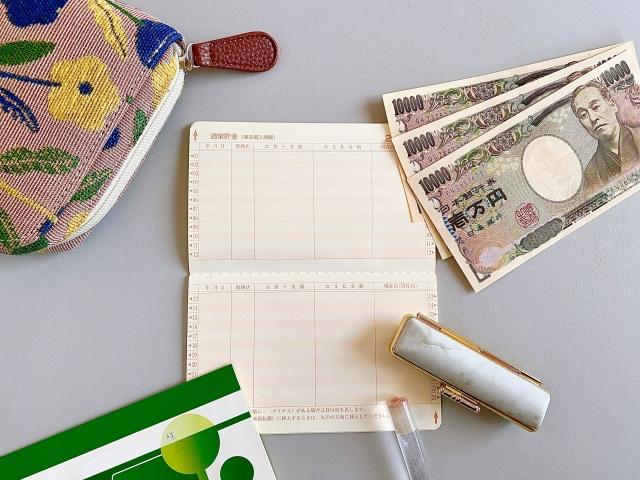
| Allowance from Parents | ¥70,120 |
| Scholarship | ¥19,660 |
| Part-time Job | ¥36,110 |
| Full-time Job | ¥420 |
| Others | ¥2,940 |
| Total | ¥129,250 |
According to the “59th Student Lifestyle Survey (2023)” by the National Federation of University Co-operative Associations in Japan, the number of students receiving more than 100,000 yen in allowances has been decreasing since 1995. Currently, students receive around 70,000 yen in allowances, which they supplement with scholarships and part-time jobs to make up for the shortfall.
There are two types of scholarships: grants and loans. While 6.9% of students only receive grants, 2.7% receive both grants and loans. Additionally, 74.5% of university students living alone work part-time jobs.
If you are looking for a part-time job, cafes, and restaurants like izakaya that include free meals for staff are good options. Meanwhile, if you are looking to earn a high income in a short time, working as a tutor, at a call center, or as a mover during busy seasons is another good option.
Move-in Fees Required for University Students to Live Alone

When living alone, various initial costs are necessary, including a security deposit, key money, rent, key replacement fees, insurance premiums, and guarantor company fees. The general initial costs for a person living alone are around 5 to 6 months’ worth of rent.
| Rent | ¥54,000 |
| Pro-rated Rent(7 Days) | ¥13,500 |
| Security Deposit | ¥54,000 |
| Key Money | ¥54,000 |
| Brokerage Fee | ¥54,000 |
| Key Replacement Fee | ¥11,000 |
| Fire Insurance(2 Years) | ¥20,000 |
| Guarantor Company Fee | ¥26,510 |
| Total | ¥287,010 |
If you want to reduce initial costs for a move-in fee, it’s a good idea to look for properties with free rent, no key money or security deposits.
Free rent in this case refers to properties where rent is waived for a certain period after the start of the lease. The duration of the rent-free period varies depending on the property, ranging from about 2 weeks up to 1-3 months.
Free rent is offered to shorten the vacancy period of a property. However, since landlords suffer losses if tenants move out during the rent-free period, many free-rent properties have contracts that require a penalty for termination within a certain period.
Another way to reduce initial costs for a move-in fee of a lease agreement is to choose properties with no key money or security deposits. However, even in cases where there are no key money or security deposits, there may be an additional cleaning fee required as part of the initial costs, so be sure to check before signing the contract.
The Cost of Furniture and Appliances for Living Alone
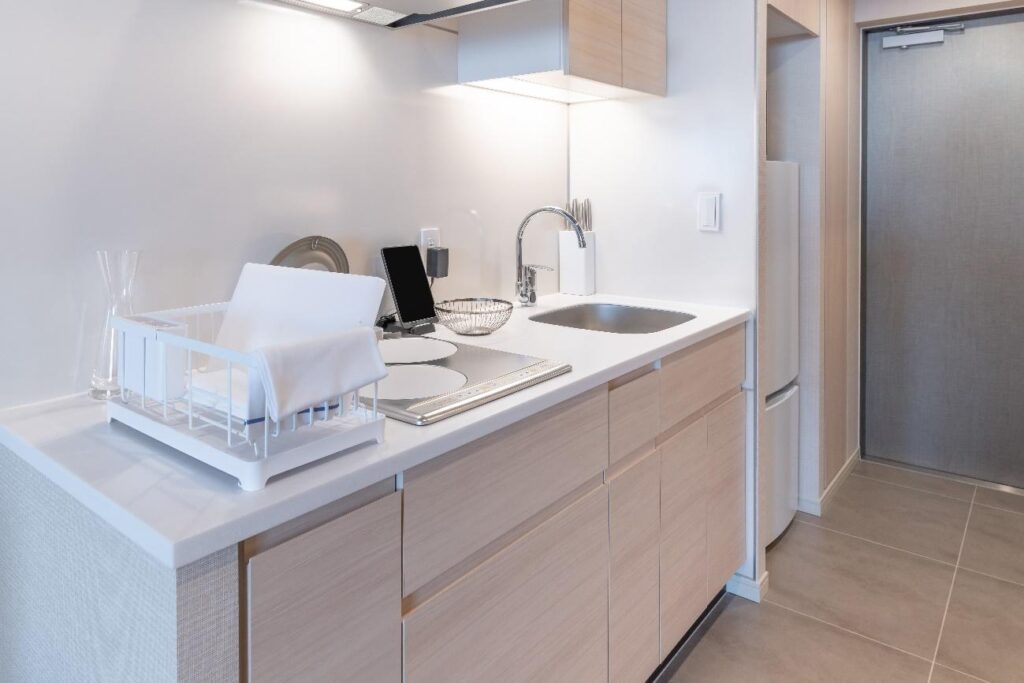
Furniture and Appliances Necessary for Living Alone
| Bedding | Approximately ¥20,000 |
| Table | Approximately ¥10,000 |
| Curtains | Approximately ¥3,000 |
| Study Desk and Chair | Approximately ¥20,000 |
| Refrigerator | Approximately ¥35,000 |
| Washing Machine | Approximately ¥35,000 |
| Microwave | Approximately ¥10,000 |
| Rice Cooker | Approximately ¥5,000 |
| Electric Kettle | Approximately ¥2,000 |
| Total | Approximately ¥140,000 |
The cost of furniture and appliances necessary for living alone is approximately 140,000 yen. You can save money if you bring some items from home such as bedding, tables, study desks, and chairs.
You can take advantage of promotions like “New Life Support Campaigns” from major home appliance retailers to find great deals on refrigerators, washing machines, rice cookers, microwaves, and other appliances.
Please note that some properties may not have the following facilities to keep the rent low. Therefore, please check whether these facilities are available when viewing the property.
- Air-conditioner
- Lighting fixtures
- Gas Stove
- Clothesline
- Curtain rails, etc
The Cost of Daily Necessities for Living Alone
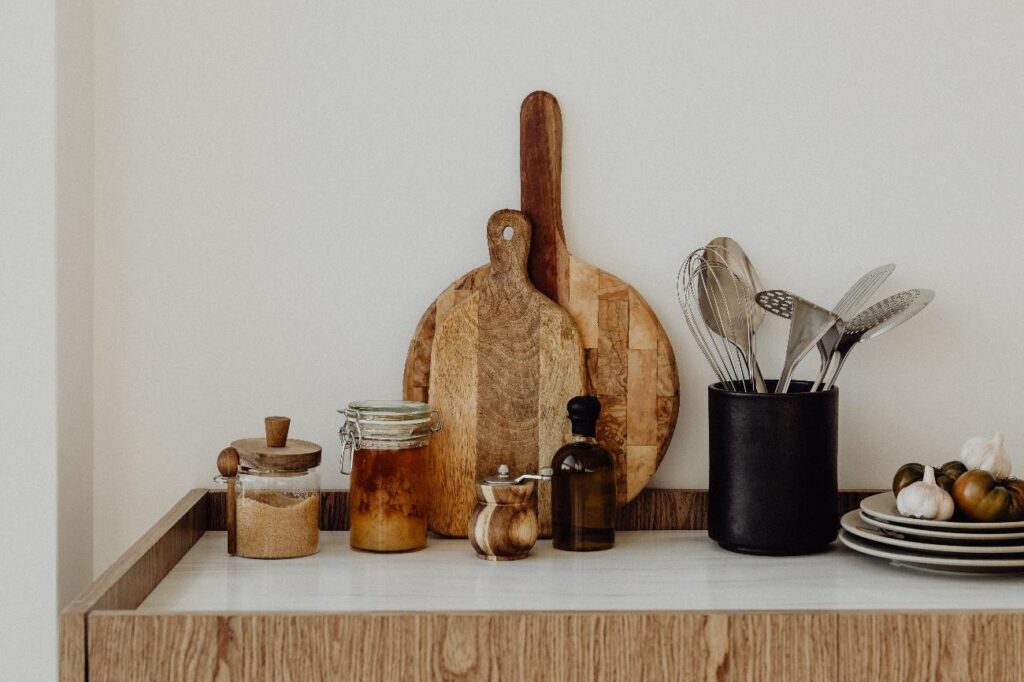
| Kitchen | Dishes, cutlery, knives, cutting boards, pots, pans, dishwashing detergent, dishwashing sponges, draining nets, etc. |
| Toilet | Toilet paper, slippers, toilet cleaning tools |
| Bathroom | Towels, hair care products, body care products, hairdryer, toothpaste, bath mats |
| Cleaning Supplies | Trash bags, trash cans, cleaning tools |
| Laundry Supplies | Laundry detergent, fabric softener, hangers, clothespins, etc. |
| Others | Tissue paper, household medicines, thermometer |
We recommend bringing everyday items from home or purchasing them at 100-yen shops or drugstores. It’s advisable to budget around 10,000 to 20,000 yen for daily necessities.
If you’re interested in learning more about what you need to live alone, please have a look at the checklist of essential things to live alone for the first time.
Cooking at Home and Other Recommended Money-Saving Tips for Living Alone
- Choose a Low-Rent Room
Choosing a room with a low rent will give you more financial flexibility. For example, a rent of 60,000 yen will cost you 720,000 yen per year. Meanwhile, if the rent is 50,000 yen, you can save as much as 120,000 yen per year.
While it might not be realistic to save 10,000 yen from a food budget of 25,000 yen, if you choose a property with a low rent as a fixed expense, you can save money without having to make sacrifices.
- Save on Fixed Costs
Focus on saving on fixed costs other than rent. For example, consider switching your mobile carrier to a low-cost SIM, reviewing unused subscriptions, and choosing a property that uses city gas instead of propane gas to save on utility costs.
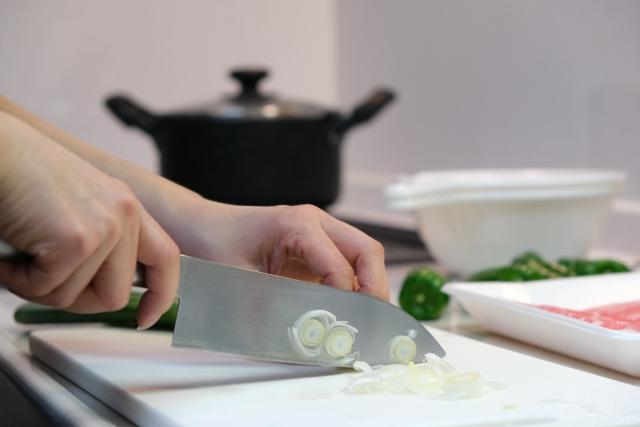
- Cooking at Home
Try to cook at home as much as possible to save on food expenses. However, if you are busy with studying or part-time work and it’s difficult to cook at home, consider using the school cafeteria. School cafeterias have many inexpensive yet filling menu options, so it’s convenient to actively use them.
- Keep the Air Conditioner at a Constant Temperature
Setting the air conditioner temperature to 26 degrees Celsius in summer and 20 degrees Celsius in winter can help save on electricity bills. It is also effective to use an air circulator to cool down and wear layered clothing during colder seasons.
- Make use of Student Discounts
Make sure to take advantage of student discounts as a university student. For instance, student discounts apply to various situations such as purchasing commuter passes, mobile phone plans, karaoke, and movie theaters.
- Unplug Unused Appliances
Make sure to unplug appliances that are not in use from the outlet. Simply unplugging unused appliances can help you save on electricity bills. If you find it troublesome to unplug appliances, it is convenient to use a power strip so that you can easily switch them on and off.
- Pay Living Expenses with Point Accumulation Methods
For utility bills, rent, and living expenses, consider using a credit card with a high point accumulation rate or cashless payment methods to earn points. It is a great deal because accumulated points can be used for living expenses or food and drinks.
If you are a university student looking for a place to live alone, please consult Village House which offers over 1,000 properties all across Japan with rent starting from 20,000 yen.
There is no deposit, key money, renewal fee, or handling fee required, so you can save on initial costs. Plus, there is a free month of rent, making it an even greater deal.
※ A security deposit may be required depending on the contract terms and screening results.
※ Free rent does not apply to some properties.
Related articles:
- The Cheapest Prefectures to Live in Japan
- Living Alone as a College Student – The Most Common Problems and How to Deal with Them
- Top 5 Tips on How You Can Keep Your Monthly Expenses on Food As Low As ¥20,000!
- Tips on How to Save Money on Groceries
- Living Alone for the First Time? Checklist of All the Things You Need

Hello, I’m Machiko Doi, a freelance writer who writes about housing and living in Japan.
I live in an 80-year-old house that I inherited from my grandparents along with my two shelter cats and daughter.
We live a relaxed life while repairing the house.
I like to cook vegetables from the garden and fresh fish caught by my father, and enjoy them with cold beer on a hot day or hot sake on a cold day.