The Quintessential Moving Day Guide

Many people are probably wondering, “What is the best way to handle moving day?” On moving day, there are things you need to do for both your old and new home.
In this article, we will introduce common problems that can occur during moving day and frequently asked questions (FAQ) you may have. To ensure your move goes as smoothly as possible, make sure you are well prepared for it.
At Village House, we offer a wide selection of affordable and charming properties all across Japan, starting from just 20,000 yen. If you’re looking for a new home, be sure to check out our website!
What to do at your old home on moving day
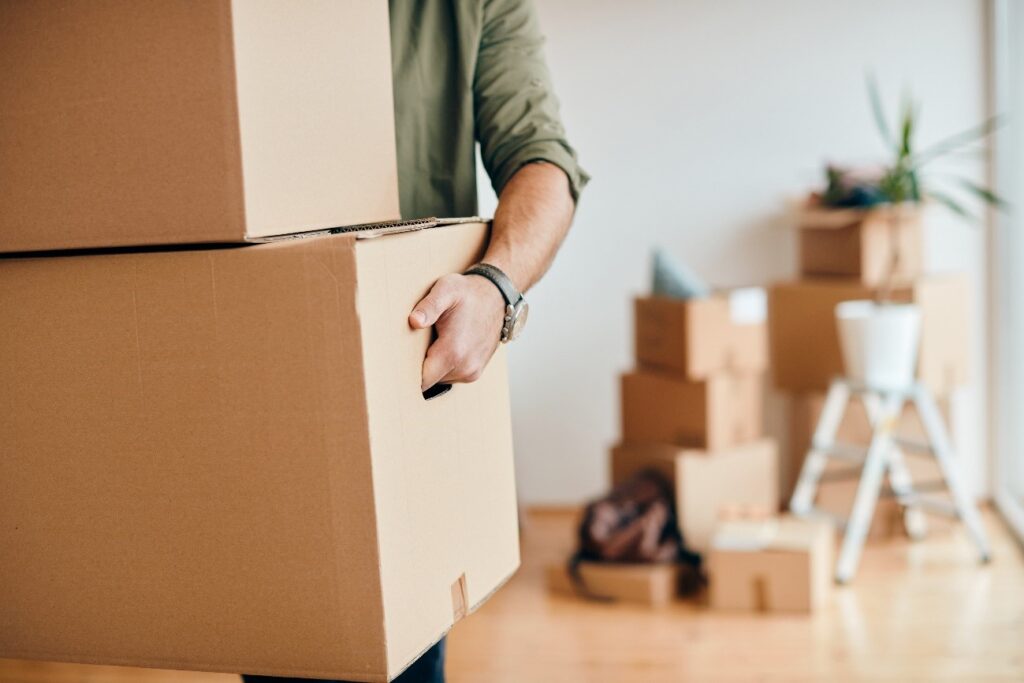
Inform your neighbors
Even though it’s not mandatory, it’s a good idea to let your neighbors know before the movers arrive by saying something like, “We’ll be moving today, so we apologize for any inconvenience.” Once the move is complete, it’s polite to follow up with a “thank you for your understanding” when saying goodbye.
Check the parking spot for the moving truck
While you can leave it to the moving company to decide where to park the truck, it’s advisable to let them know in advance if there might be any issues or concerns to avoid potential problems.
Create a list of your belongings
It is recommended that you make a list of items to keep track of how much luggage you have. For example, it’s recommended to note down the number of dressers, storage furniture, and cardboard boxes that you have packed.
Turn off utilities
To stop electricity, water, and gas services, contact the respective utility provider you’re contracted with. If you will not be using electricity, turn off the breaker, and close the main water valve.
Make sure to contact the gas company in advance and ask them to shut off the gas at a convenient time, such as when the movers arrive or after they have unloaded your belongings.
Pack essentials in one box
Gather items you’ll need immediately after the move into a single cardboard box, such as toilet paper, towels, cups, and slippers. Stick colored tape on the side of the cardboard box to make it easy to find.
Pay the movers upon arrival
Before the movers begin their work, you’ll need to pay the moving fee. This is required under the “Standard Terms and Conditions of Moving ” established by Japan’s Ministry of Land, Infrastructure, Transport, and Tourism.
Generally, payment is made in cash up front, but some companies allow you to pay later or accept cashless payments such as credit cards, so it’s advisable to check the payment method in advance.
Be present during the move-out process
Before the movers start, check the condition of your belongings and the room. Try to be present as much as possible during the move-out process to ensure there’s no damage, loss, or forgotten items. If you cannot be present, ask a family member or friend to supervise on your behalf.
You might wonder if you should help with the work, but it’s often better to avoid interfering. Instead, position yourself where you can easily communicate with the movers and be ready to answer questions or provide instructions when necessary.
Conduct a move-out inspection with the property manager
When moving out of a rental property, be sure to inform the property management company or landlord of the date and time of the moving out in advance. Once they arrive, they will inspect the room for any dirt or damage in your presence. Afterward, you can return the keys and fixtures to complete the handover process.
If you can’t attend the inspection personally, you can appoint someone as a representative. In such cases, prepare a power of attorney and the representative’s ID ahead of time.
Moving to your new home
Once you have completed the move-out procedures at your old home, you can move to your new home. If you are traveling by car, train, or bus, make sure to check in advance how to get to your new home and how long it will take.

What to do at your new home on moving day
Greet your new neighbors
Before the movers arrive, take some time to introduce yourself to your new neighbors. If you’re moving into a house, it’s typical to greet the three houses across the street and the ones on either side. For apartments or condominiums, visit the neighbors above, below, and on both sides of your unit.
Let them know you’ve just moved in and that you may cause them inconvenience during the moving process. If you’re unable to greet them on the moving day, visit them on the day before or after.
Check and clean the room
Before moving your belongings in, check the room for scratches or stains. If you find any scratches or stains, take photos as evidence. If the landlord or property management company asks you to restore the room to its original state when you move out, photos will be useful to prove that it was in the same condition as before you moved in.
While new homes are typically cleaned before a move-in, dust can accumulate over time. Thus, it is recommended to do a quick cleaning before unloading your belongings.
Set up electricity, gas, and water
If you complete the utility setup process 1–2 weeks before the moving day, electricity and water will be ready for use from the time you move in. Once you’re there, turn on the breaker and open the main water valve to ensure everything is working properly.
On the other hand, gas requires that you be present to be activated. If you complete the procedures 1-2 weeks before your moving date, you can have the gas service turned on the day you move in. However, during peak season, such as the beginning or end of a fiscal year, gas company schedules tend to fill up quickly, so it’s best to book 3–4 weeks in advance.
Be present during the move-in process
Just like during move-out, it’s important to be present during the move-in process. Stay nearby so you can respond immediately when the move-in company asks you any questions.
Use your inventory list to ensure all items have arrived and there is no damage. Movers may also ask about the placement of furniture and appliances, so preparing a layout plan in advance can make the process more efficient.
Unpacking
Once all your belongings have been moved in, it’s time to start unpacking. Begin by arranging and setting up furniture and appliances. Next, organize storage spaces like cupboards and closets. After that, install curtains and light fixtures. Finally, unpack the cardboard boxes—this step-by-step approach will help you unpack efficiently and settle in smoothly.
Common problems that can occur on moving day
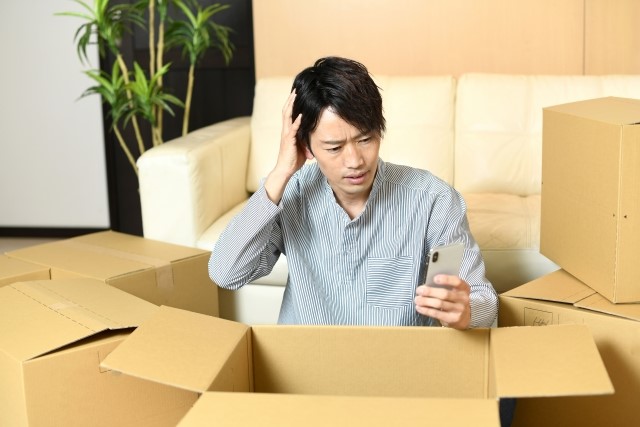
Incomplete packing on moving day
If you don’t finish packing in time, you’ll need to either transport the remaining items yourself or pay the moving company extra for assistance. If you run out of cardboard boxes, ask the movers if they have extras available. Keep in mind that some companies may charge additional fees for extra boxes or packing help, so it’s best to confirm the costs in advance.
Furniture damaged during the move
If your furniture or room gets damaged during the move, be sure to point it out to the movers as soon as you notice it. If you notice the damage later, it may be difficult to prove that it occurred during the move. It’s also a good idea to take photos of valuable furniture or appliances beforehand as evidence.
Valuables lost during the move
Most moving companies have a policy that they are not responsible for handling valuables, such as cash, credit cards, or bankbooks, as agreed upon during the contract. If these items are lost, you cannot hold the movers accountable. Therefore, please make sure to keep your valuables with you.
Unable to be present during the move due to illness or injury
It’s possible to get injured before the move or feel unwell on the day of the move. Since the presence of the contract holder is required during the move-in process, if you are unable to attend due to illness or injury, ask a family member or friend to act on your behalf.
Frequently asked questions (FAQ) during moving day

Is it a good idea to give tips or gifts to the moving company?
While the movers will still do their job properly even without any gifts or tips, if you’d like to show your appreciation, it’s recommended to offer something like bottled drinks. If you decide to give tips, make sure to give them equally to all the workers.
What to eat on moving day?
Since moving is tiring and unpacking cooking utensils can be much of a hassle, there’s no need to force yourself to cook. It’s easier to buy a bento from a convenience store or supermarket, or to eat out.
At Village House, we offer up to 30,000 yen in moving support (some properties may not be eligible for this campaign). If you’re considering moving, please feel free to contact us.
Related articles:
- Moving by Yourself: Is It a Good Idea?
- I Can’t Finish Packing! What Should I Do?
- Moving With Children: Everything You Need to Know
- Moving Checklist: Everything You Need to Prepare for Your Move and a Great Start in Your New Home

Hello, I’m Machiko Doi, a freelance writer who writes about housing and living in Japan.
I live in an 80-year-old house that I inherited from my grandparents along with my two shelter cats and daughter.
We live a relaxed life while repairing the house.
I like to cook vegetables from the garden and fresh fish caught by my father, and enjoy them with cold beer on a hot day or hot sake on a cold day.