Can You Move Out as a Minor in Japan? Renting an Apartment Before 20
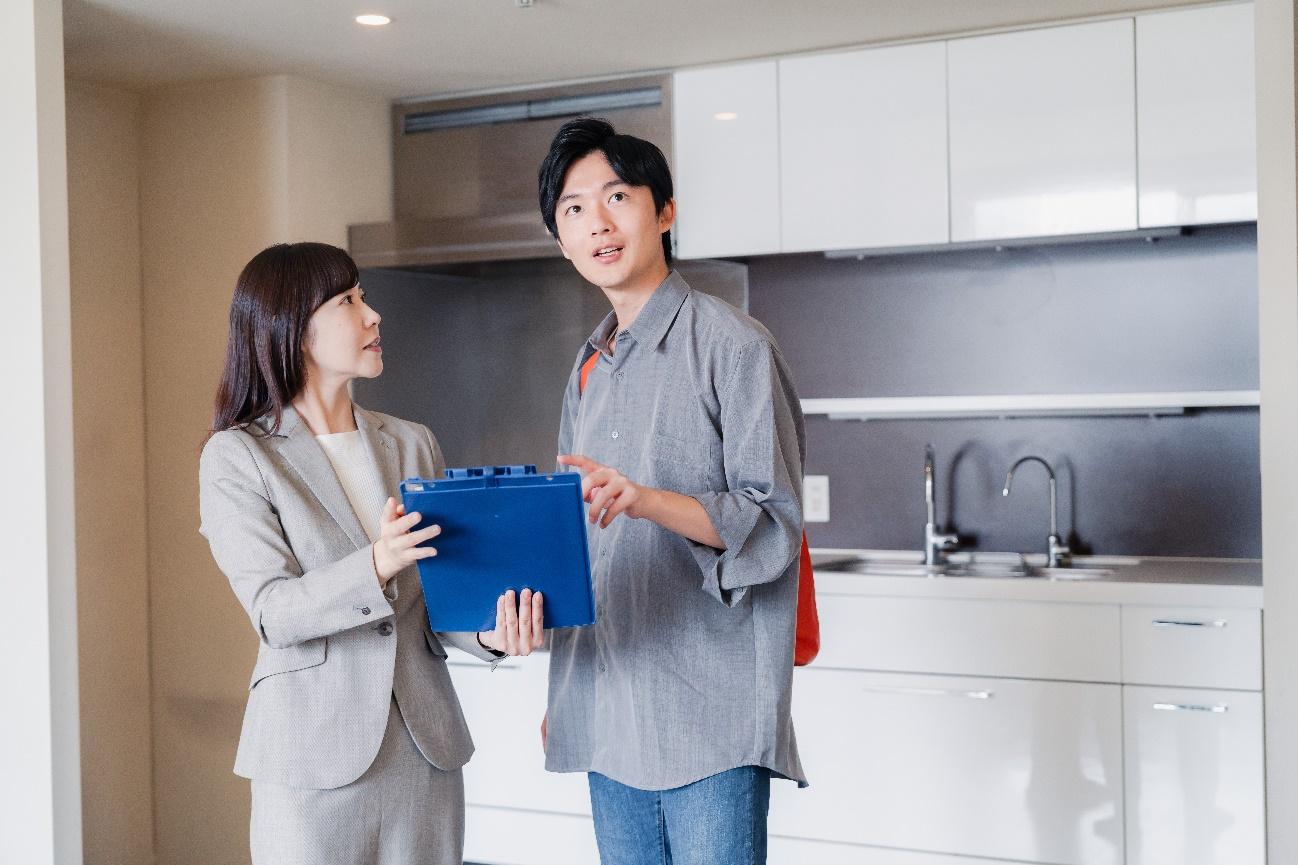
Many people dream of moving out of their parent’s house and becoming independent. You might be thinking, “I’m getting a job soon, so I want to live on my own,” or wondering, “Can I sign a rental contract if I’m a minor?”
You might want to enjoy decorating your own space and inviting friends over without parental interference. However, as a minor, you typically cannot sign a rental contract without your parents’ consent.
In this article, we’ll explore how you can live independently as a minor. We will also introduce how to make a rental agreement even without parental consent. Use this information as a reference to help you move forward with your plans.
Village House provides a range of affordable rental properties throughout Japan, with rents starting at just 20,000 yen. Enjoy the convenience of no deposits, key money, fees, or renewal costs. Visit our website to find your perfect home.

Can minors sign rental contracts?
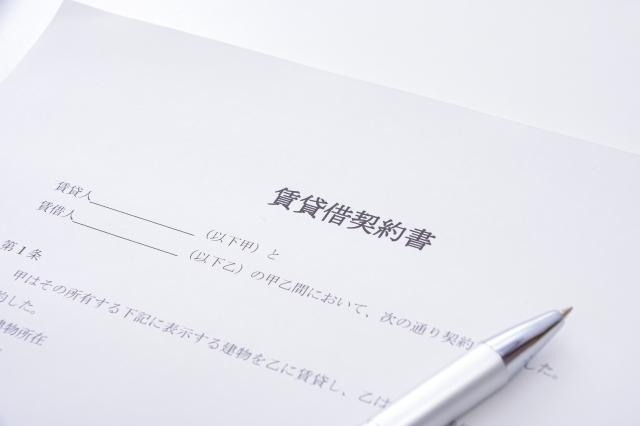
If a minor wants to rent a home, parental consent is required. Legally, parents are responsible for deciding their children’s living arrangements until they reach adulthood. Therefore, a minor cannot live alone without their parents’ approval.
Until recently, adults were legally recognized as such on their 20th birthday. However, following a law revision in April 2022, individuals are now considered adults on their 18th birthday. As a result, parental consent is no longer required for legal matters, such as signing a rental contract, once you turn 18.
Before the law revision, if a person under 20 signed a contract without parental permission, the parents could cancel it. However, following the April 2022 revision, parents can no longer unilaterally cancel a rental contract signed by individuals over the age of 18.
Reference: Ministry of Justice Civil Law Revision (Age of Majority) Q&A
How minors can enter into contracts without parental consent

Since the age of majority has been lowered to 18, one option is to wait until you reach that age. However, some people might prefer to enter a rental contract before reaching the age of majority for various reasons.
If you’re employed, you might consider asking your employer if they can arrange a corporate lease for the rental property. With a corporate lease, the contract is under the company’s name, so parental consent is not required. However, keep in mind that parental consent might still be necessary when entering a contract with the company, so be sure to clarify this in advance.
Essential tips for minors to pass a rental screening

Here are the key points for passing a rental screening:
- Set a rent budget at 1/4 of your take-home pay
While the typical guideline suggests spending about 1/3 of your income on rent, if you are a minor, it’s advisable to budget for a property where the rent is no more than 1/4 of your take-home pay. This includes management fees and common expenses. This approach can make it easier to pass the rental screening.
Take-home pay is the amount left after deducting social insurance premiums and taxes. It’s the actual amount you have available, not your gross income, so be sure to use this figure when budgeting for rent.
- Appoint a stable relative as a guarantor
Having a relative with a stable income serving as your guarantor can simplify the guarantor company’s screening process. A dependable guarantor not only helps you pass the screening more easily but also reassures the management company and the landlord about the financial support, making it more likely for minors to secure a rental.
- Apply for a savings screening
If your income is unstable or insufficient compared to the rent, having substantial savings can help you pass the screening more easily. It is advisable to have savings equivalent to at least 24 months (2 years) rent for the property you are interested in. This not only demonstrates your financial stability but also reassures the landlord.
However, even with sufficient savings, passing the screening is not guaranteed. The difficulty of the screening process can vary depending on the management company and landlord.
- Present yourself well and make a positive impression
Your appearance and demeanor play a crucial role in how you’re perceived by the landlord and management company. These impressions are conveyed through the real estate agent. When visiting properties or meeting with agents, ensure you are well-groomed, polite, and courteous. Making a good impression on the people involved in the screening is also an important point to pass the screening.
If you negotiate with an aggressive attitude, it might be perceived that you could cause trouble with neighbors during your tenancy, which could make it harder to pass the screening. Therefore, be cautious and maintain a respectful demeanor.
- Have your parents sign the contract on your behalf
Another option is to have your parents sign the rental contract on your behalf. This is a common approach for minors and students renting an apartment.
The screening criteria for a parental proxy are similar to those for a guarantor. However, if the proxy is a distant relative rather than a parent, there is a higher likelihood of rejection.
Keep in mind that proxy contracts require the landlord’s permission. Entering a proxy arrangement without approval could be considered a breach of contract. Therefore, consulting with a real estate company before proceeding with this option is crucial.
Documents required for a rental contract

Although the details may vary depending on the real estate company, the following documents are generally required for a rental contract for a minor.
| Resident registration card | Resident registration card issued within the last 3 months |
| Identification card | Driver’s license or passport |
| Parental consent form | The consent form is signed and stamped by both parents However, this does not apply in cases of divorce or death |
| Seal certificate | A registered seal and the seal certificate registered with the local government |
| Bankbook/bank seal | If paying rent by direct debit, bring the relevant bank seal and bankbook |
| Documents related to the guarantor | Resident registration card, seal certificate, and income certificate of the guarantor |
Living alone as a minor is difficult without parental help

When you sign a rental contract, there are various expenses to be incurred, including the initial costs of signing the contract and monthly living expenses. If your income is unstable, you will likely find it difficult to live without the help of your parents.
Initial costs
| Rent | 1 month’s rent |
| Daily rent | Number of days |
| Deposit | 0-2 months’ rent |
| Key money | 0-2 months’ rent |
| Agency fee | 0.5-1 month’s rent |
| Key exchange fee | Approx. 11,000-25,000 yen |
| Fire insurance (2 years) | Approx. 20,000 yen |
| Guarantor company fee | Approx. 25,000 yen |
To live alone, you will need to pay various initial costs, such as a deposit, key money, agency fees, and key exchange fees. Although the amount will vary depending on the rent, it is a good idea to think of the initial costs required for living alone as 5 to 6 months’ rent.
Moving costs and furniture and appliance purchase costs
Moving costs vary depending on the time of the year. Moving costs are higher during the moving season, and can be reduced if you move outside the season.
In general, the furniture and appliances required for living alone are as follows. If you want to save as much as possible on moving costs, it is recommended that you bring them from your parents’ home or purchase them secondhand.
| Bedding | approx. 20,000 yen |
| Table | approx. 10,000 yen |
| Curtains | approx. 3,000 yen |
| Refrigerator | approx. 35,000 yen |
| Washing machine | approx. 35,000 yen |
| Microwave | approx. 10,000 yen |
| Rice cooker | approx. 5,000 yen |
| Electric kettle | approx. 2,000 yen |
| Total | approx. 120,000 yen |
You’ll also need to budget for daily necessities like kitchen utensils and laundry detergent. Setting aside around 10,000 to 20,000 yen for these items is a good idea. For a comprehensive list of essentials for living on your own for the first time, check out our first-time living-alone checklist.
Monthly living expenses
| Food | approx. 30,000 yen |
| Mobile phone and communication costs | approx. 10,000 yen |
| Utilities | approx. 10,000 yen |
| Daily necessities | approx. 10,000 yen |
| Clothing | approx. 10,000 yen |
| Transportation | approx. 10,000 yen |
| Entertainment | approx. 20,000 yen |
| Total | approx. 100,000 yen |
The above living expenses do not include rent. For example, if your rent is 45,000 yen, your monthly living expenses will be 145,000 yen. Living expenses will also vary depending on your lifestyle. Calculate your living expenses and budget accordingly.
Village House offers over 1,000 affordable properties throughout Japan. Keep your initial costs low by renting through Village House – we don’t charge deposit, key money, commission, or renewal fees. If affordability is a key concern for you, don’t hesitate to get in touch with us.
Related articles:
- Want to Move but Can’t Afford the Initial Costs? Here’s What You Can Do!
- Top 5 Tips on How You Can Keep Your Monthly Expenses on Food As Low As ¥20,000!
- Guide to the Apartment Lease Signing Process
- Top 5 Issues When Moving and How to Deal with Them
- How Much Should You Pay For Your Apartment? A 5-Step Guide To Calculating Your Apartment Rent Budget

Hello, I’m Machiko Doi, a freelance writer who writes about housing and living in Japan.
I live in an 80-year-old house that I inherited from my grandparents along with my two shelter cats and daughter.
We live a relaxed life while repairing the house.
I like to cook vegetables from the garden and fresh fish caught by my father, and enjoy them with cold beer on a hot day or hot sake on a cold day.