All the Documents You Need when Signing a Rental Contract and Applying for an Apartment
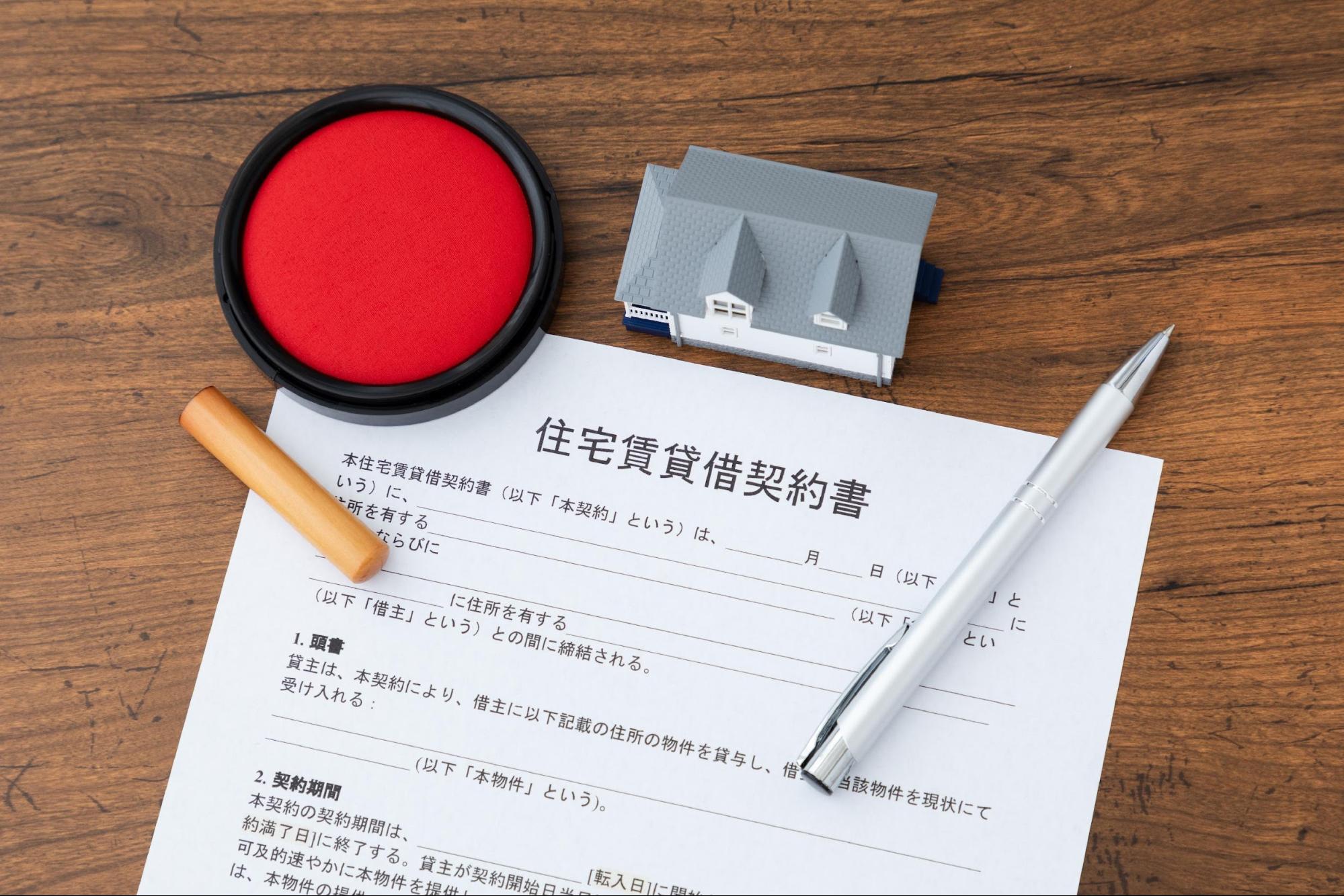
Many people are concerned about the documents they need for a rental contract and whether they should prepare anything in advance.
Getting your documents and funds ready in advance can help ensure a smooth rental process. Since the required documents can vary depending on your occupation—whether you’re an office worker, a student, or a freelancer—it’s a good idea to verify your specific requirements in advance.
In this article, we’ll outline the documents and items needed for a rental contract, discuss initial costs, and detail the steps to take before signing the agreement. Since some documents may take time to gather, it’s important to prepare them in advance.
Village House offers a wide range of properties throughout Japan, with rents starting at just 20,000 yen. If you’re searching for your next home, we invite you to explore our website for available listings.

What to bring for a rental application
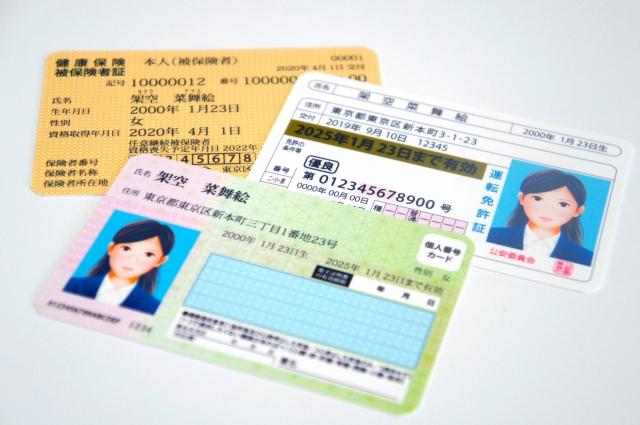
After applying, the following three documents are required for the rental screening:
- Rental Application Form
The rental application form collects essential information about both the applicant and the guarantor. It must include details such as the applicant’s name, address, employer, annual income, reason for relocation, and information about the guarantor. Since the form requires not only your information but also information about your guarantor and workplace, it’s advisable to review the necessary details in advance to ensure nothing is overlooked.
- Identification Document
You will need to provide a photo ID for identification purposes. Acceptable documents include a driver’s license, passport, “My Number Card”, or “Basic Resident Registration Card”. Foreign nationals should present a residence card or special permanent resident certificate.
- Income Certificate
To verify the tenant’s ability to pay rent on time, an income certificate may be required. This document helps landlords assess your financial stability.
For example, if you are an employee, you can provide a tax withholding slip. If you’ve been employed for less than a year, submitting your most recent three months’ pay stubs is acceptable. When presenting these documents to a real estate company, it’s common to submit copies of the income verification documents.
Essential items and documents for a rental contract

If you pass the screening, you’ll proceed with the contract signing procedure. While specific requirements may vary by real estate company, it’s advisable to prepare the following documents and items:
Items to be prepared by the contract holder,
- Identification documents
As previously mentioned, acceptable forms of identification include a photo driver’s license, passport, “My Number Card”, or “Basic Resident Registration Card”. For foreign nationals, a residence card or special permanent resident certificate should be prepared.
- Residence card
Ensure you have a residence card issued within the last three months. If you’re moving in as a family, each tenant will need to provide their residence card.
- Bankbook and bank seal
These documents are needed to register the bank account from which rent will be withdrawn. If you don’t have a bankbook, a cash card will suffice.
- Official seal
You may be required to provide your registered official seal (hanko) from the city or town hall.
- Seal registration certificate
You can obtain a seal registration certificate at the city or town hall of your current address. If you have your “My Number Card”, you can also get one at a convenience store. Please note that there is typically a small fee of a few hundred yen.
- Vehicle registration certificate
If you are signing a contract for a parking space, you will need to provide a vehicle registration certificate that includes your car’s information.
Items to be prepared by the guarantor,
- Official seal
The guarantor will need to sign and stamp the consent form with their official seal.
- Personal seal registration certificate
The guarantor must also provide a seal registration certificate.
- Identification document
Similar to the contract holder, the guarantor will need a photo identification document.
- Income certificate
The management company may request an income certificate from the guarantor. If the guarantor lives far away, they can send the documents by mail. It’s advisable to ask them to prepare the necessary documents in advance to ensure a smooth process.
Required documents based on occupation

Students
Students may need to provide their student ID as a form of identification. If you haven’t yet enrolled, an acceptance letter from your university or vocational school can be submitted in place of the student ID.
New graduates
If you’re a new graduate and cannot provide a withholding tax slip, you can submit a social insurance card or employee ID as proof of your ability to pay rent. Additional documents may include a job offer letter or employment contract that can serve as a verification of your income.
Freelancers/Self-Employed
If you are a freelancer or self-employed, you will need to provide documentation to verify your income. Acceptable documents include a tax return, tax certificate, or contract for services. If you operate as a corporation, you may be required to submit the company’s financial statements.
Breakdown of initial costs for renting a property

| Advance rent | 1 month’s rent | The rent for the month following your move-in. |
| Daily rent | For the number of days | Rent for the month following your move-in date is typically calculated by dividing the monthly rent by the total number of days in that month, covering the period from your move-in date to the end of the month. This calculation may vary by real estate company; some may use the actual number of days in the month, while others might calculate it based on a standard 30-day month, regardless of the exact days. |
| Deposit | 0 to 2 months’ rent | A security deposit is an amount of money paid to the landlord when renting a property. This deposit protects the landlord in case the tenant falls behind on rent payments or if there is any damage to the property upon moving out. If there are issues, the deposit may be used to cover repair costs or unpaid rent. However, if the property is in good condition and all rent is paid, the deposit is typically returned to the tenant when they move out. |
| Key money | 0 to 2 months’ rent | Key money is a fee paid to the landlord as a token of gratitude for allowing you to rent the property. Unlike the security deposit, this fee is non-refundable and will not be returned when you move out. |
| Brokerage fee | 0.5 to 1 month’s rent | The brokerage fee is an expense paid to the real estate company as a token of appreciation for facilitating the rental process with the landlord. According to the Real Estate Transactions Act, this fee cannot exceed one month’s rent plus consumption tax. |
| Lock replacement fee | Approximately 11,000 to 25,000 yen | The lock replacement fee covers the cost of changing the locks used by the previous tenant. This measure is taken for security reasons, ensuring that the new tenant has exclusive access to the property. |
| Fire insurance (2 years) | Approximately 20,000 yen | This cost refers to insurance that provides compensation for damage to the building and personal belongings due to natural disasters such as fire, typhoons, and lightning. Typically, specific insurance companies are designated for this coverage. |
| Guarantor company fee | Approximately 25,000 yen | These are fees paid to a company that provides guarantor services, covering rent, debts, and other financial obligations on behalf of the tenant. |
The initial costs for renting a property typically range from 5 to 6 months’ rent. For instance, if your monthly rent is 65,000 yen, your initial costs would be approximately 320,000 to 390,000 yen. Since these costs can be substantial, knowing the breakdown in advance can help you prepare more effectively.
Essential checks before signing a rental contract and steps to follow after signing

- Check the rental contract and important matters explanation document
The rental contract and the important matters explanation document outline all the terms of the agreement. It’s crucial to review these documents carefully to ensure that you don’t overlook any details.
If you need to make changes after signing, you will require the landlord’s consent and a written memorandum, which can complicate the process. To avoid any issues, it’s advisable to ask the real estate company to send you the contract details in advance for your review.
- Procedures for moving out of your current rental property
Once you’ve chosen a new property, it’s important to begin the cancellation process for your current rental as soon as possible. There is typically a notice period for cancellation, and delays may lead to complications such as an extended move-out timeline or automatic contract renewal.
Generally, you should notify your landlord at least one month before your planned move-out date; however, some agreements may require two months’ notice, so it’s important to check your specific contract.
- Procedures for canceling utility services
After deciding to move, make sure to contact your utility providers such as electricity, gas, water, etc. to cancel your services. It’s also a good idea to reach out to your internet provider early to arrange for cancellation and transfer of service to your new address.
- Adjusting the moving schedule
When planning your move, it’s essential to coordinate your schedule carefully. The date when your rental contract begins is referred to as the “rent start date.” If your actual move-in date is later than this, you may incur unnecessary rental costs.
Since you cannot move in before the rent start date, aim to adjust your schedule to facilitate moving in on that date whenever possible.
Village House manages over 1,000 properties across Japan. If you’re considering a move, don’t hesitate to reach out to us for assistance!
Related articles:
- Guide to the Apartment Lease Signing Process
- Short-Term Rentals in Japan: All About Monthly Mansions
- A Foreigner’s Guide to Clearing the Tenant Screening Process
- Living Alone for the First Time: 5-Step Guide to the Process from Searching for a Room to Moving in

Hello, I’m Machiko Doi, a freelance writer who writes about housing and living in Japan.
I live in an 80-year-old house that I inherited from my grandparents along with my two shelter cats and daughter.
We live a relaxed life while repairing the house.
I like to cook vegetables from the garden and fresh fish caught by my father, and enjoy them with cold beer on a hot day or hot sake on a cold day.